
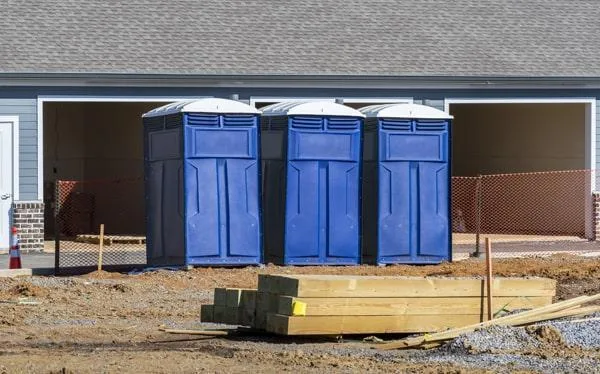
Define the basic facilities before counting units
A standard construction cabin provides an enclosed toilet with waste stored in a holding tank for removal by the provider. It does not need a building sewer connection. Confirm the offered fittings and supplies; a wash basin is not automatically part of an ordinary cabin.
Discuss handwashing as a separate function when workers cannot use a suitable sink. Accessible equipment and the approach to it also need their own assessment. The right mix depends on the workers and site, and should not be chosen solely because one equipment category was used on a previous job.
Describe each phase's people and bathroom access
Include overlapping trades, shifts, visiting supervisors and other users who will share the temporary facilities. Distinguish the largest group present together from the total number of people working on the project over its duration. Explain break patterns and any separated work areas.
Check which indoor bathrooms workers are allowed to use, whether they are functioning and when they open. A completed bathroom behind a locked work zone is not usable provision for another crew. When the project changes those arrangements, the rental discussion should change too.
Reserve space for the later work, not just today's delivery
Look at the proposed cabin position against the next excavation, material delivery or fence move. The ground must be suitable, users need clear access to doors, and servicing must remain possible through a permitted entrance. Describe restrictions and obstacles to the provider before agreeing on the position.
Keep sanitation space visible in the site's coordination information. It should not quietly become storage when a new trade arrives. If a phase makes the position unsuitable, arrange the change with the provider rather than moving a cabin using site machinery or directing it to an unassessed area.
Review care when working conditions change
Agree waste removal, cleaning and replenishment, with someone on site responsible for reporting low supplies or an unusable unit. A care schedule is based on a stated pattern of use; more workers, longer shifts or additional working days can make the original arrangement unsuitable.
A washing station has its own water, used-water and consumable needs. Confirm those responsibilities alongside toilet servicing. Do not expect workers to empty tanks, add chemicals or repair rented equipment. Describe the problem and location to the rental contact so the appropriate response can be arranged.
Include the finish in the original request
Ask the quote to identify equipment, hire period, transport, care and supplies. Explain provisional project phases and how extensions or extra visits will be agreed. The last main-contractor day may not be the last day anyone needs facilities.
When the work winds down, confirm what finishing crews will use and retain supplier access until collection. Give the provider the current receiving contact and any changed gate arrangements before site staff leave. A project completion estimate does not automatically schedule pickup.
Questions before you book
Should the request include every subcontractor?
Include everyone who will use the same facilities, with their likely overlap and working pattern. Decide who controls the shared rental so separate orders do not leave gaps or duplicate the arrangement.
Can indoor toilets replace the temporary units as soon as they are installed?
Only assess them as usable when they are functioning, permitted for the workers and reachable during the needed hours. Review the equipment reduction and collection rather than assuming installation alone ends the hire.
When is a care review needed?
Report changes in users, shifts, working days, location or site access, as well as supply and condition problems. Discuss whether the equipment or service arrangement needs adjustment.