
Describe the job and the actual materials
A rented dumpster provides temporary storage for accepted debris until collection. Explain whether the work involves a cleanup, renovation or another project, then describe the materials rather than treating everything as general waste. Portable-toilet tank waste and used washing water are separate services.
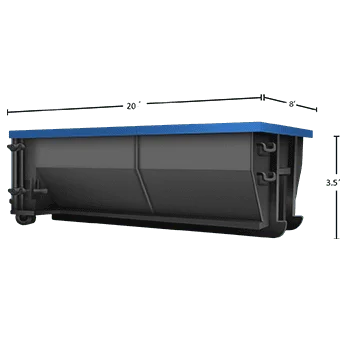
Give a practical estimate of the amount and how it will be produced. Ask about the actual container offered and its suitability for that material mix; do not choose solely from a photograph. Equipment availability and the accepted load need to be confirmed in the proposal.
Separate volume from weight and disposal conditions
Bulky light material and dense debris can occupy similar space while creating different handling and disposal considerations. Explain both the likely volume and the heavier components. A container that has room left inside is not automatically within its agreed weight or material conditions.
Identify items that may need separate review or disposal rather than mixing them into the load without approval. Confirm accepted materials and the provider’s instructions before loading; there is no single universal list that can safely be assumed for every container and destination.
Make loading and collection possible at the chosen position
Have the property representative and provider review the proposed location, permitted use, ground and access. Public-space or roadside placement needs the relevant authority’s review; an empty area is not permission. The space needed for vehicle handling can exceed the footprint of a container at rest.
Keep workers and passers-by clear of loading and truck movements. If toilets or washing equipment are also present, preserve separate usable routes to them. Discuss any loading-door arrangement on the offered container and keep the agreed collection approach clear as the project grows.
Compare the complete quote and pickup process
Review the actual container, rental period, delivery and collection, accepted materials and disposal or weight terms. Ask how extra days, additional handling, exchanges if offered and changed quantities would be treated. Do not assume every service is included because the container is on site.
Follow the agreed loading limits and pickup-request process. Tell the provider when the work changes or access becomes restricted; finishing the cleanup does not automatically communicate a collection request. Before the last visit, remove obstructions from the handling area and provide a current site contact.
Questions before you book
Can I choose a container only from the amount of space I need?
Volume is one part of the decision. Describe the material mix and heavier debris too, then confirm the offered container, accepted load and weight or disposal terms.
Can I place unapproved items in the container if they are only a small part of the load?
Confirm them first. A small amount does not remove a material restriction or the need for a separate disposal arrangement.
Is pickup arranged as soon as I stop loading?
Use the request and scheduling process agreed with the provider. Confirm collection access and any hire-period changes rather than assume work completion is a pickup notice.