
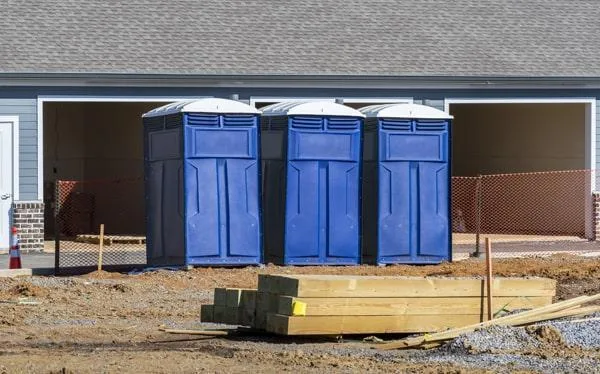
Make the delivery handover useful
A standard portable toilet stores waste in its tank until servicing; separate washing equipment has its own water and supply arrangements. The construction selection guide explains the equipment mix. At handover, concentrate on whether the delivered arrangement matches the accepted order and the place where it is meant to work.
Check the agreed position, doorway and supplies, and identify the route workers will use. Compare the actual ground and entrance with the information supplied before delivery. Raise a mismatch with the provider and responsible site contact instead of choosing a different spot or moving equipment independently.
Observe usability between the agreed service visits
The site lead can notice a blocked door, depleted paper, a damaged component or a washing station that is no longer usable. Report the affected unit's location and what can be seen, rather than sending a general message that the site has a problem. Identify who is authorized to request changes to the order.
These checks do not replace cleaning or tank waste removal. Workers should not empty tanks, introduce improvised chemicals or attempt repairs. For washing, follow the agreed responsibilities for water and consumables; do not drain used water onto the ground to make space in a tank.
Check the routes again when the job changes
Revisit access after a fence moves, excavation begins or a delivery occupies the yard. Consider the approach to the door and the supplier's route separately: a narrow walking gap can remain after handling access has been blocked. Tell incoming contractors which area needs to stay available.
A new work zone can leave facilities inconveniently located even if they are undamaged. Describe the changed use and location to the provider and agree any relocation. Do not attach screens, lock arrangements or temporary structures that interfere with operation or servicing without discussing them first.
Keep responsibility in place through demobilization
Agree the cleaning, waste-service and replenishment work in the rental, including how additional attention is requested. If hours or staffing increase, report the new pattern rather than relying on the initial service arrangement indefinitely. If the site becomes temporarily inaccessible, communicate before the scheduled visit.
Before the project team leaves, confirm the remaining hire period or collection request, the contact who can grant entry and the correct gate instructions. Keep the approach clear until removal is complete. If finishing work continues, decide which facilities those workers will use before ending the rental.
Questions before you book
What if the unit arrives but the agreed position is blocked?
Tell the provider and site contact what has changed. Resolve an accepted, workable location before proceeding; another empty-looking space may have unsuitable ground, access or permission.
Can the site lead do the waste servicing?
No. Routine observations and reporting are different from tank emptying, chemical treatment or repairs. Use the agreed provider service and follow its equipment instructions.
Who should keep pickup access available after contractors leave?
Name a person who retains authority and access to the property for collection. Give that contact the current order and receiving instructions before the main team demobilizes.