
Describe the approach before selecting the position
Give the provider the actual entrance and the route to the proposed spot. Mention turns, gates, overhead obstructions, ground conditions and nearby parked vehicles or structures. Photographs can help explain the setting, but they do not replace the provider’s review or the property’s permission.
Do not infer suitable handling space from the fact that a car can park there. The truck and equipment need their own working area. Confirm the actual proposed container and handling arrangement instead of applying guessed truck dimensions, equipment weights or clearance figures.
Reserve space for loading and people
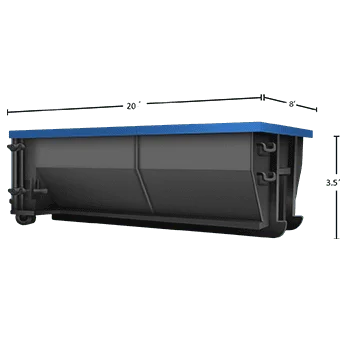
A roll-off is temporary storage for the materials the provider accepts. Describe who will load it and the intended method. If the offered container has a loading door that will be used, discuss the space needed for it and for people moving material without obstructing access.
Keep passers-by and workers out of truck movements and avoid making the debris-loading zone a route to toilet or washing facilities. Agree the position with the responsible property contact. Any public-space use needs the relevant approval; neither a rental request nor an available roadside space settles that question.
Confirm the load, not just the container
Explain the material mix, approximate amount and particularly dense debris. Space and weight are different constraints. Follow the actual loading instructions and limits rather than assuming unused volume authorizes additional weight or a different material.
Ask about items needing separate approval or disposal before they are loaded. Confirm accepted materials, the offered container and disposal arrangements before booking. This discussion also makes quote comparisons clearer than selecting an equipment label without its terms.
Keep the return visit possible
Construction staging, stored materials and additional vehicles can block a route that was clear on delivery day. Preserve the agreed handling area through the hire, and tell the provider before access or placement changes. Do not attempt to reposition the container with site equipment.
Review the rental period, transport, disposal or weight terms, additional days, handling changes and exchanges if offered. Follow the agreed pickup-request process, confirm a current site contact and clear the approach before collection. An extension or an extra visit is something to arrange, not an assumed part of the original order.
Questions before you book
Is the container footprint all the space I need?
No. The provider must also assess the truck approach and working area for delivery and removal, plus any loading-door space required by the actual equipment.
Can a site crew move the container when work shifts?
Arrange a relocation with the provider. Do not improvise handling with other site equipment or move it to an unreviewed position.
What if the collection approach becomes blocked?
Report the change promptly and agree a workable arrangement. Keep the accepted route clear instead of assuming the truck can use a different entrance or cross another surface.